In Malaysia, carambola orchards thrive under the tropical sun, where bees play a quiet but vital role. While the trees can set fruit on their own, pollination by bees greatly increases both yield and quality – a natural partnership that makes the orchards more productive without added chemicals. This balance between careful cultivation and the work of pollinators helps ensure the carambola farming remains sustainable, bringing fresh, vibrant fruit from healthy ecosystems to our customers.



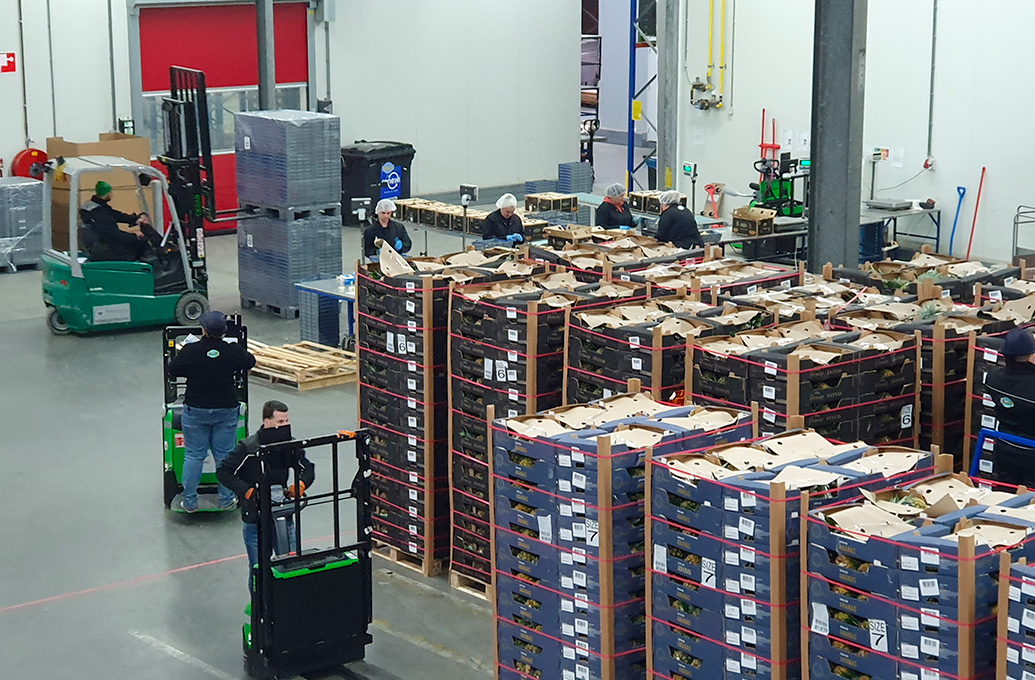
From Ecuador, we bring you crownless pineapples – a simple idea with a big impact. By removing the crowns before shipping, we can fit up to 30% more fruit per container, reducing the number of containers and cutting CO2 emissions across transport and handling. Instead of ending up as waste in Europe, the crowns remain on the farms, where they’re reused for replanting or transformed into green biomass. It’s a smarter, more sustainable way to enjoy pineapples.


In the mountains of Antioquia, one of our passion fruit producers stands out for their strong commitment to the environment. At their production plant, 900 m² of solar panels generate nearly a third of the energy they use, while the rest comes mainly from Ecuador’s sustainable hydroelectric system. Their purpose goes beyond the commercial aspects, focusing on developing the agricultural sector in Colombia with a deep commitment to both social and environmental sustainability.


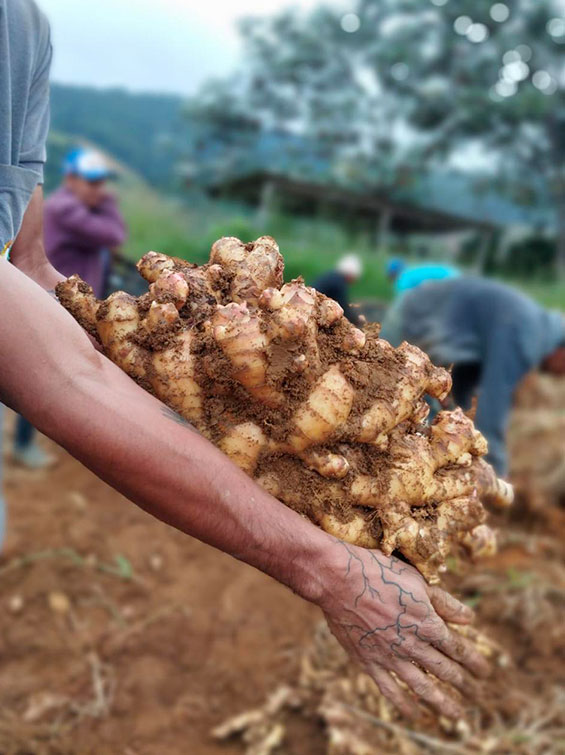
Our conventional ginger comes from trusted growers in China and arrives in large 12 kg portions to minimize waste during transport. Once in our warehouse, we repack the ginger into recyclable SRS, IFCO or EPS boxes, ensuring convenience for our customers without compromising sustainability. All incoming packaging materials are fully recycled, reducing our environmental footprint and supporting a circular approach to packaging.


Our supplier in Peru goes far beyond farming – they focus on improving lives. They have built a workplace that values well-being, equality, and personal growth, offering fair wages along with benefits such as health insurance, retirement funds, and paid leave – benefits rarely available in rural areas. By promoting education, they help create opportunities for employees and their families to thrive, ensuring that sustainability includes both the land and the people who care for it.


In Madagascar, lychee is more than a fruit – it’s the livelihood for thousands of families. Agriculture employs nearly 80% of the country’s population, and for many rural households, the lychee season represents most of their annual income. This sector supports an entire community, from growers and transporters to dockworkers, basket makers, and local businesses. Choosing lychees from Madagascar helps preserve a vital agricultural tradition that benefits many families and businesses.

Our main chili supplier in Holland focuses on sustainable growing, using biological crop protection, energy-saving systems, and creative ways to reduce food waste. Their approach delivers quality products with respect for nature.
Our cress supplier in Holland leads with innovation and sustainability, using an integrated heating and cooling system to significantly cut gas use. Their commitment ensures efficient production and continuous improvement through eco-friendly solutions.
Committed to sustainable growth, our berry supplier prioritizes responsible farming, efficient resource use, and eco-conscious packaging - ensuring quality berries with minimal environmental impact.
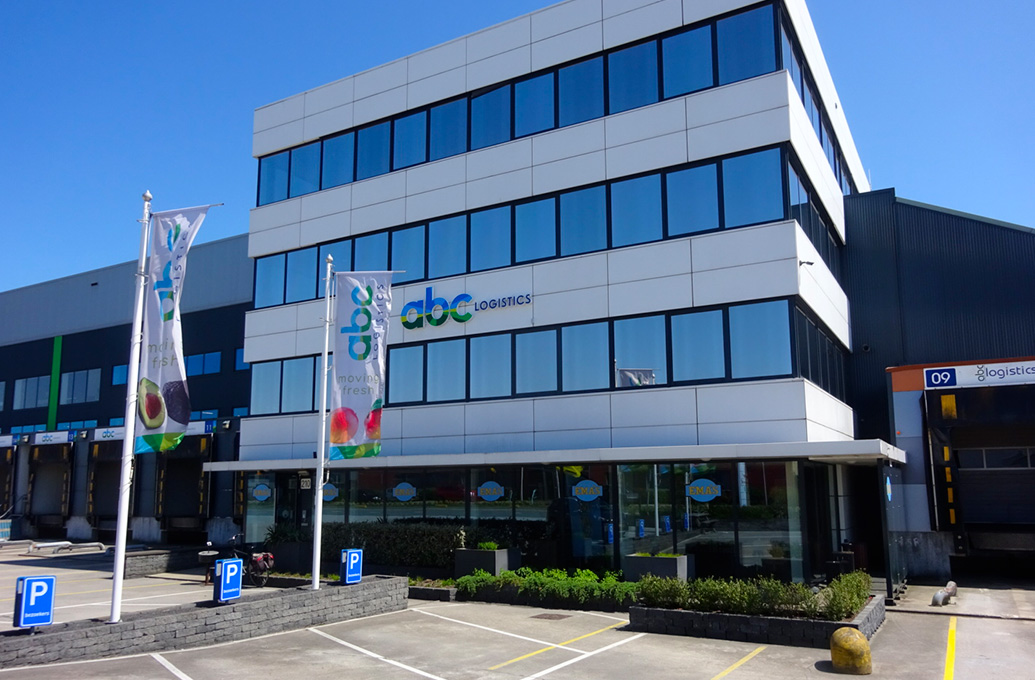
As part of a larger organization, our sustainability-related KPIs are defined, monitored and reported at group level in accordance with the organization’s CSR framework. This provides a strong foundation for EMA’S own sustainability policy, enabling us to adopt a more holistic and vision-driven approach.
EMA’S and it’s employees share a commitment to responsible business practices that protect our environment, support our communities, and value the people who make it all possible. We believe that long-term success comes from working with suppliers, customers and colleagues who share our vision of a healthier, more sustainable future.
Our careful selection of both suppliers and customers allow us to explore new ideas, reduce our shared impact, and create positive change together across the whole value chain. This culture creates the best possible conditions for advancing both social and environmental sustainability alongside food safety excellence.

At EMA’S, we are constantly exploring new ways to reduce our environmental impact, improve our processes, and make thoughtful choices throughout the supply chain. This includes initiatives such as shifting from air to sea freight where possible and working with our Carambola supplier to replace plastic packaging with paper. Each project reflects our ongoing commitment to responsible practices and innovation.
Looking ahead, we remain focused on continuous improvement and long-term thinking. By developing new initiatives, refining our operations, and working with partners who share our values, we aim to create lasting benefits for the people, communities and environments connected to our business.